DTC Genetic Testing: How I Built a Personalized Health Routine That Actually Works
For years, I followed health trends hoping one of them would finally work. I drank green juice. I tried keto. I took multivitamins religiously. Yet, I still felt tired. My skin broke out without warning. My weight fluctuated even when I tried to eat “clean.” Something always fell off.
Then I stumbled upon DTC genetic testing. I wasn’t expecting a miracle but just a little insight. What I got, though, changed the way I approach my health completely. I finally understood my body, and I began to build a healthy routine that worked for me.
In this post, I’ll break down what DTC genetic testing is, how it works, what I learned from my results, and most importantly how I used those results to make changes that stuck.
What Is DTC Genetic Testing?
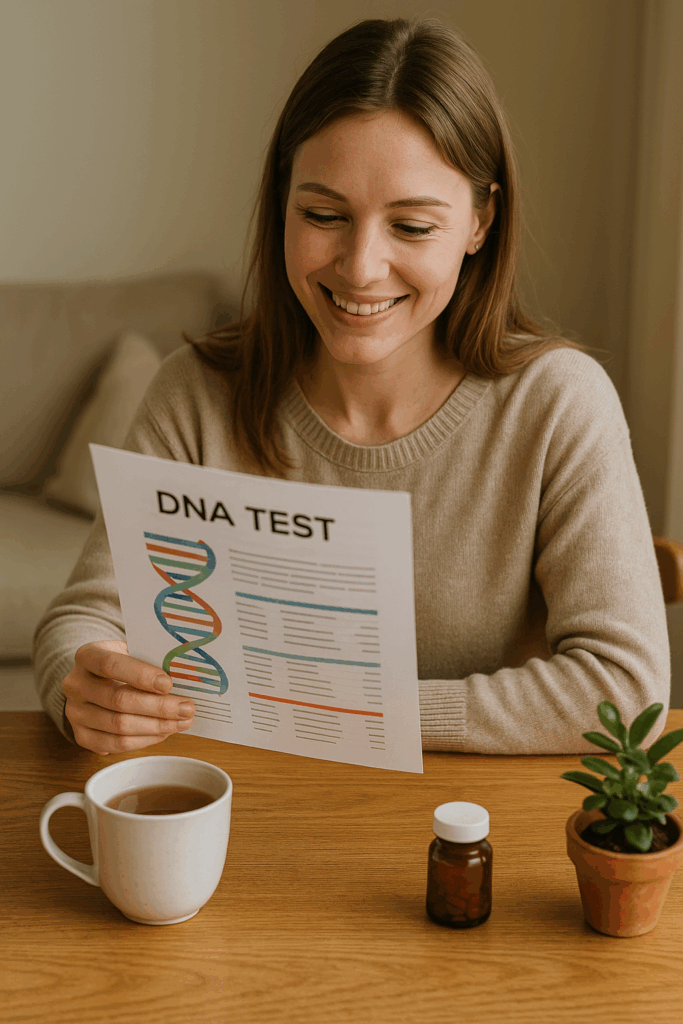
DTC (Direct-to-Consumer) genetic testing gives you access to your own DNA data without a doctor’s referral. You simply order a kit, collect a saliva or cheek swab sample, and mail it in. A few days later, you receive a full genetic report via email or through an app.
The report covers dozens of traits that affect your health and wellness. These may include:
- How efficiently your body stores and burns fat
- How well you absorb vitamins like D, C, or E
- Whether you’re likely to respond better to cardio or strength training
- Your sensitivity to caffeine and alcohol
- Your risk factors for issues like high cholesterol or glucose resistance
And it doesn’t stop there. Many services also give you tailored tips for supplements, workouts, diet, and even sleep optimization.
Why I Tried It (And What I Found Out)
I decided to try DTC genetic testing because I was tired of trial and error. I wanted to understand why I always felt exhausted despite sleeping eight hours, or why I struggled with diets that seemed to work for everyone else.
My results explained more than I expected.
- High fat storage gene : I gain weight easily when I eat high-fat foods, even in small portions.
- Low vitamin D absorption: No wonder I felt drained in winter.
- Caffeine sensitivity: My anxiety and racing heart after coffee weren’t psychological; they were genetic.
- Poor post-workout recovery: High-intensity workouts left me fatigued for days, which made me inconsistent.
I didn’t just get facts. I got clarity.
My Personalized Health Routine Based on DNA
Once I received my genetic report, I knew what to change.
- I switched to a lean protein and fiber-rich diet, minimizing fatty meats and oils.
- I started taking vitamin D3 daily, especially in colder months.
- I limited caffeine to one small coffee before 10 a.m., then switched to herbal tea.
- I replaced HIIT workouts with moderate strength training and yoga, which suit my recovery rate better.
Each change felt manageable. More importantly, I started to feel the difference within two weeks. I woke up with more energy. My digestion improved. I stopped feeling like I was working against my body.
Smarter Supplement Choices, Backed by DNA
Before testing, I bought supplements based on trends and product reviews. Now, I choose based on what my body truly needs.
Here’s how I adjusted my regimen:
- My test showed I process folic acid poorly, so I switched to methylated folate (MTHF).
- I don’t absorb vitamin E well, so I now use a tocopherol-based supplement with high bioavailability.
- I carry a gene that impairs iron absorption, so I pair my iron supplement with vitamin C for better uptake.
Every pill I take now has a reason behind it. I no longer wonder if they’re working which I know they are.
DTC Genetic Testing Helped Me Focus on Prevention
One of the biggest advantages of DTC testing is proactive prevention. I don’t wait for symptoms to show up anymore. I make changes now, based on what my DNA suggests.
For instance:
- My cholesterol gene puts me at higher risk, so I reduced fried foods and started checking my levels regularly.
- I learned I have a slower glucose metabolism, so I now pair carbs with protein or fiber.
- My dementia risk gene (APOE4) pushed me to increase omega-3 intake and prioritize mental stimulation.
- I also focus on sleep quality because my inflammation markers show higher-than-average sensitivity.
I don’t live in fear of these risks. I just make informed choices every day.
Who Should Consider DTC Genetic Testing?
If you’re tired of general advice that doesn’t work for you, this test could help.
Consider DTC genetic testing if:
- You’ve tried different diets but nothing sticks
- Your energy levels stay low despite rest
- You feel anxious, bloated, or foggy for no clear reason
- You want supplements and routines that match your needs
- You believe in long-term prevention, not just short-term fixes
Knowledge isn’t just power but, it’s progress.
Build Your Routine Around You
Thanks to DTC genetic testing, I stopped guessing. I stopped comparing myself to other people.
I built a health routine based on how my body actually works, not on what’s trendy or popular.
Now, my health plan doesn’t feel forced.
I don’t burn out after two weeks.
I follow habits that align with my biology because of that, I stick with them.
If you feel stuck, this might be your reset button.
Your DNA doesn’t define your destiny, but it gives you a map.
Use it. You’ll be amazed how much easier everything feels when you finally stop fighting for your own body.